


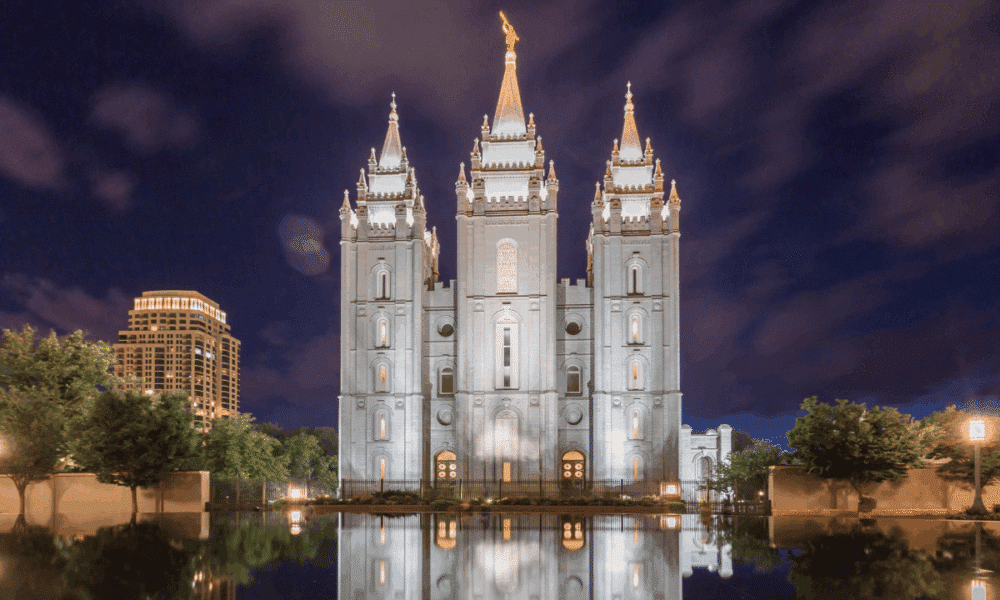
Recent revelations about The Church of Jesus Christ of Latter-day Saints’ (LDS) creator partnerships highlight a growing trend in faith-based marketing.
As The Salt Lake Tribune reports, the LDS Church has confirmed it pays content creators for producing material used on church channels, following public discussions sparked by influencer Alitzah Stinson. After receiving a collaboration offer despite having left the faith, Stinson questioned the practice on social media, suggesting the church was offering “brand deals” for testimonials.
Derek Westra, director of reputation management for the church, clarifies that while the church does pay creators, they are compensated for content creation rather than for sharing personal testimonies.
“We’ve always hired creators,” Westra said in a statement. “We’ve hired painters, and we’ve hired musicians, and we’ve hired craftsmen. We’ve hired people who are experts in their field to create something of value for us to use.”
The church typically vets individuals to ensure they remain active Latter-day Saints and produce content aligned with the faith’s values. In Stinson’s case, Westra acknowledges a procedural error where a newly hired marketing agency contacted individuals without proper vetting.
Content Creation vs. Testimonials
Latter-day Saint content creator David Snell, who received a similar collaboration proposal, describes the arrangement differently from Stinson. According to Snell, the church was “paying creators to put in time and effort, scripting, filming and editing” rather than paying for testimonials.
These commissioned videos, which become church property, often include information about contacting missionaries. The compensation these creators received—reportedly $300 to $400 per video—suggests the church values the production skills rather than purchasing influence.
Faith-Based Content Strategy
This approach mirrors strategies employed by other religious organizations targeting younger audiences. SoulShop, a faith-based media company, exemplified this trend with its “Walking the Word” docu-series featuring Christian influencers exploring Israel.
SoulShop CEO Dan Luxenberg emphasized engaging younger audiences through entertainment that incorporates faith elements rather than educational content alone. “In order to penetrate this digital native audience, our content needs to be great storytelling that is also rooted in faith,” Luxenberg said in an interview with Net Influencer.
Churches Adopt Influencer Marketing Tactics
Religious organizations increasingly employ social media strategies similar to commercial brands. Churches have partnered with content creators ranging from micro-influencers to major Christian personalities like Sarah Jakes Roberts (3 million followers) to extend their reach through trusted voices.
Companies like Pro Church Tools facilitate this digital shift, offering services that transform sermon content into social media-friendly clips. Their SocialSermons service reports that some churches saw significant follower growth and increased impressions across platforms.
According to U.S. law, churches can legally pay for marketing expenses, including influencer collaborations, as ordinary business expenses for outreach. However, they must maintain compliance with tax regulations and ensure transparency in financial dealings.
The trend raises questions about the honesty of religious messaging. Westra insists the LDS Church does not pay for testimonials, noting such practices would violate church policy. Similarly, Luxenberg advocates for genuine partnerships where creators maintain creative control rather than reading scripts.
link