Vietnam Aims for Twenty Five Million International Tourists in this Year with its Digital Marketing and FAM Trip Strategies
Published on
September 20, 2025

Vietnam’s tourism policy for 2025–2030 is founded on a cross-cutting strategy, whereby tourism and health are combined to make the country more appealing as a destination for leisure and well-being. The emphasis of the government on utilizing its cultural heritage alongside modern facilities is designed to bring a rich, compelling offer to both foreign and local tourists. The joint action of the Ministry of Culture, Sports and Tourism and the Ministry of Health is a balanced vision for long-term development in tourism at Vietnam.
Emphasizing Vietnam’s Unique Selling Points for Tourists
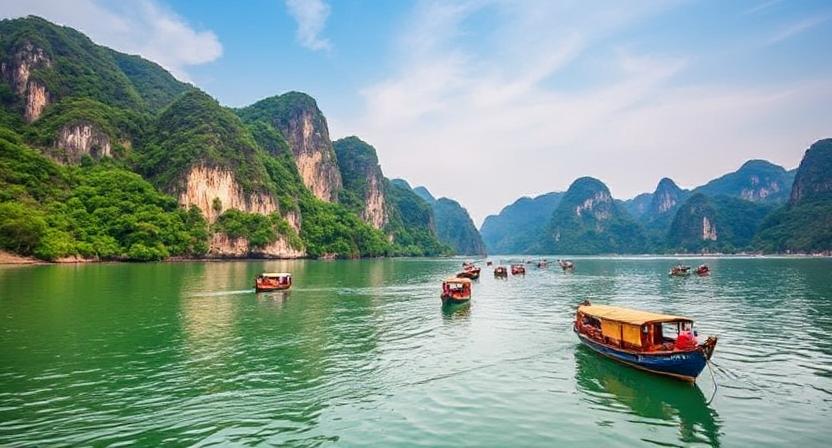
To differentiate itself from regional competitors, Vietnam is focusing on its unique selling points—its diverse landscapes, rich culture, and historical heritage. From the bustling streets of Hanoi and Ho Chi Minh City to the stunning coastal resorts of Da Nang and Phu Quoc, Vietnam offers an array of experiences that combine both modern luxury and traditional charm. By spotlighting these attributes, the country hopes to draw travelers looking for a balanced mix of relaxation, adventure, and cultural immersion.
Strengthening Infrastructure for Medical and Wellness Tourism
For the medical tourism sector to thrive, strengthening infrastructure is key. Healthcare facilities in major cities like Hanoi, Ho Chi Minh City, and Da Nang are being enhanced with world-class medical services, making Vietnam a competitive option for medical tourists seeking affordable and quality treatments. Wellness tourism is another growing market, with spas, wellness resorts, and detox retreats becoming increasingly popular. The country’s ability to offer cutting-edge healthcare in combination with serene environments for relaxation and rejuvenation is positioning it as a top destination for those seeking health-focused travel.
Digital Marketing: Reaching Global Audiences
As Vietnam seeks to expand its tourism sector, digital marketing plays a crucial role in reaching new markets. The promotion of Vietnam’s tourism offerings through online platforms such as social media, travel blogs, and advertisements ensures that the country stays visible to a global audience. Targeting key markets, particularly Asia, Europe, and Australia, through personalized digital campaigns will help create a global buzz and drive demand for travel to Vietnam. Online campaigns will also cater to both leisure tourists and medical tourism clients, tapping into different segments to increase overall visitor numbers.
Familiarization (FAM) Trips: Building Strong Partnerships with Travel Agents
One of the key strategies to increase international arrivals is the use of FAM trips (Familiarization Trips), where travel agents and tour operators are invited to explore Vietnam’s tourism offerings firsthand. These trips allow agents to experience the destination and medical services available, giving them a better understanding of the tourist experience and equipping them to promote Vietnam more effectively to their clients. Engaging with international travel agencies through these FAM trips helps establish trust and long-term relationships that can drive repeat visits and increase bookings.
Targeting High-Potential Emerging Markets
While traditional markets like China and South Korea remain important, Vietnam is also focusing on emerging markets such as India, Taiwan, and other ASEAN countries. These regions have seen rapid economic growth and increased middle-class populations with a rising interest in international travel. The Vietnamese tourism industry is looking to capitalize on this demand by offering more affordable and diverse travel packages, particularly tailored for tourists seeking a mix of wellness and leisure. Vietnam’s growing reputation for providing high-quality healthcare at competitive prices also appeals to tourists from these regions looking for affordable medical treatments abroad.
Increasing Air Connectivity: Key to Boosting Visitor Numbers
Increasing air connectivity will be crucial in meeting Vietnam’s tourism targets. Strengthening airline partnerships and expanding routes with international airlines are essential steps to making Vietnam more accessible to tourists. By offering direct flights from major international hubs, especially in Europe and Asia, Vietnam can reduce travel time, making it an easier and more attractive destination. Working with airlines to provide competitive airfares and convenient flight schedules will further facilitate tourist arrivals, making it more convenient for travelers to choose Vietnam as their next destination.
Tourism and Healthcare Collaboration: A Winning Combination
The partnership between the tourism and healthcare sectors in Vietnam is set to create synergies that will boost both industries. By linking medical services with tourist packages, Vietnam can offer unique experiences that not only attract tourists for sightseeing but also encourage them to invest in their health and wellness while on holiday. This cross-sector collaboration will make Vietnam a comprehensive destination where tourists can not only explore the country’s cultural and natural beauty but also benefit from high-quality healthcare, wellness retreats, and medical treatments that are both affordable and effective.
Focus on Long-Haul Markets: Western Europe and Russia
For long-haul markets such as Western Europe and Russia, Vietnam plans to increase its promotional efforts. These regions present unique opportunities, as many travelers from these areas seek new, less-visited destinations for cultural tourism and wellness travel. Vietnam’s visa waiver programs for certain countries also serve as an advantage, making it easier for tourists from these regions to visit. By highlighting its unique offerings, including historical sites, wellness resorts, and medical facilities, Vietnam can attract a new wave of travelers from Russia and Western Europe who are looking for both luxury and affordable health services.
Collaborating with Local Communities to Enhance Tourism Offerings
To truly succeed in promoting medical tourism, Vietnam must work with local communities to enhance its tourism products. This means collaborating with local businesses, hotels, and wellness centers to offer complete packages that integrate medical treatments, spa services, and cultural experiences. Communities in Hanoi, Ho Chi Minh City, and Da Nang are key to ensuring a personalized and authentic experience for international visitors. By involving locals in tourism, the country can ensure that tourism growth benefits all stakeholders, creating economic opportunities and fostering a welcoming environment for visitors.
Building Trust Through Quality Control and Safety Standards
A critical aspect of attracting international tourists, particularly those seeking medical treatments, is building trust. Vietnam’s tourism and healthcare sectors must work together to ensure that quality control and safety standards are met across the board. This includes adhering to international medical standards, offering clean and well-maintained facilities, and ensuring that staff are well-trained in tourist care. By building a reputation for safety and reliable services, Vietnam will be better positioned to attract repeat visitors and maintain its standing as a trusted destination for medical and wellness tourism.
Vietnam’s Bright Future as a Leading Medical Tourism Destination
Vietnam stands to be one of the premier destinations for medical and wellness tourism in Southeast Asia. With its combination of cheap medical interventions, cultural diversity, and expanding infrastructure, the country has a singular attraction for both leisure and medical travelers. Through further developing its tourism infrastructure, establishing strategic alliances with foreign airlines and travel agencies, and prioritizing quality and safety, Vietnam can successfully achieve its ambitious goal of 25 million international arrivals by the end of 2025. The coordination between tourism and healthcare industries will provide a sustainable future for Vietnam’s tourism sector and contribute to the well-being of tourists and Vietnam’s economy.

link